NutriLink Hub
NutriLink Hub
A human-centered nutrition access platform for NYC seniors.
NutriLink Hub combines human navigators, AI-assisted matching, local food partners, and healthcare and community referrals into one senior-friendly access point. The goal is simple: reduce the burden of finding help and make nutrition support feel coordinated, trusted, and usable.
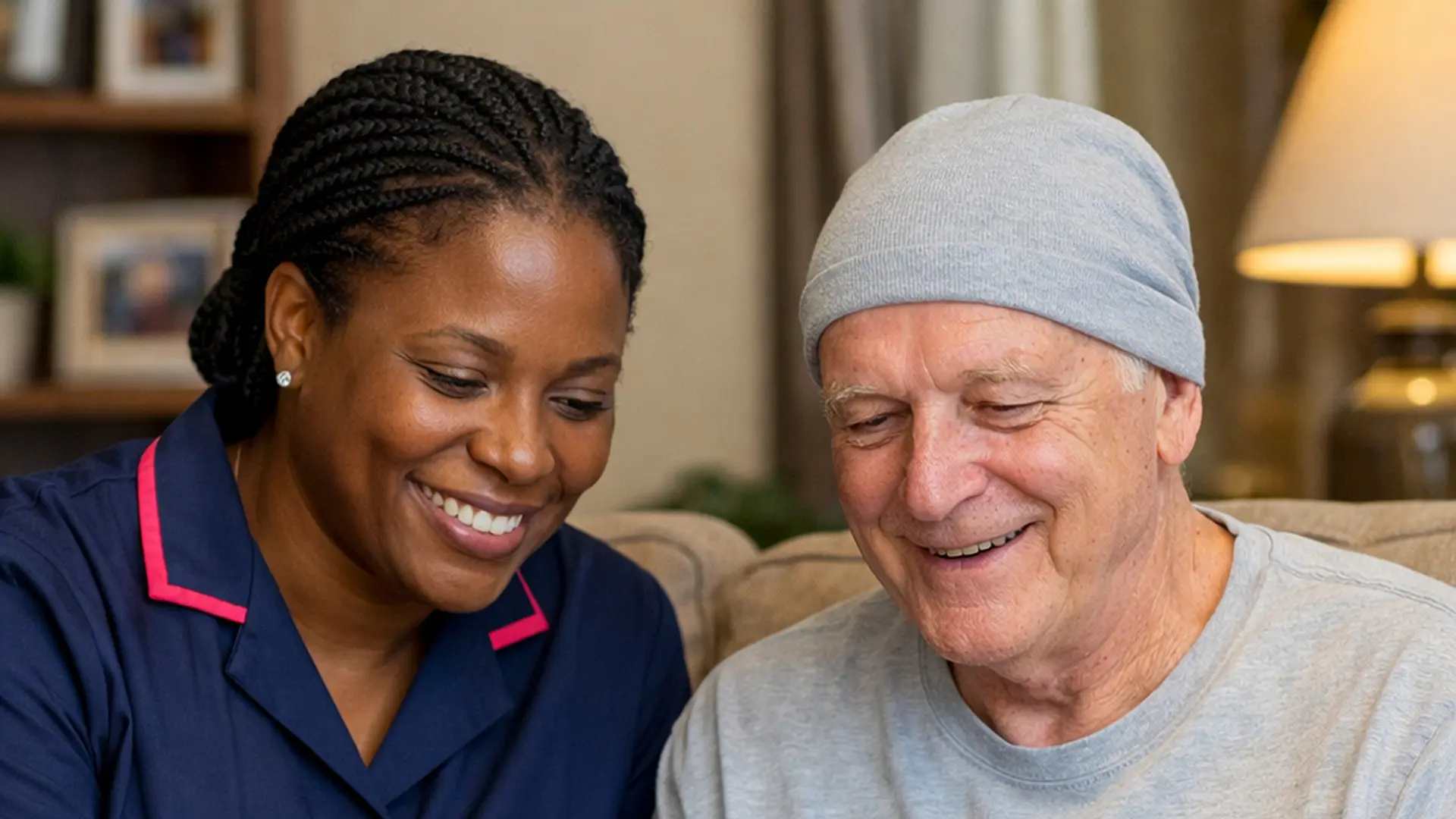
Human-first navigation
One trusted entry point that works for walk-in and call-in support.
AI-assisted matching
Guided eligibility and program matching to reduce search burden.
Community hub model
Senior centers, churches, clinics, and food partners working together.
Product thesis
The opportunity is not another resource directory. It is a trusted neighborhood layer that makes existing programs usable for seniors who are most likely to be left out.
THE PROBLEM
NYC seniors face a system that is too fragmented to be dependable.
Older adults in New York City often need food support, benefits, and referrals at the same time, but the system around them is scattered across agencies, nonprofits, and digital tools that do not coordinate well.

Key insight
Seniors do not need another directory. They need one calm, trusted path through a confusing system.
01 Fragmented services
Food assistance, benefits, and referrals are spread across agencies and nonprofits, forcing seniors to piece together help on their own.
02 Mobility barriers
Many older adults cannot easily travel to pantries, markets, or appointment-based services, especially when transit or energy is limited.
03 Digital exclusion
App-first systems assume smartphones, digital literacy, and confidence that many seniors simply do not have.
04 Cultural and health mismatch
Food access only works when meals reflect health needs, cultural preferences, and household routines seniors recognize.
05 Lack of coordination
Without a shared intake model, seniors get bounced between systems instead of receiving a coordinated path to support.
RESEARCH
The team interviewed across the care and food ecosystem.
Insights came from conversations with seniors, caregivers, nonprofits, healthcare stakeholders, and community food partners. The research consistently pointed toward one conclusion: this is a trust problem as much as it is an access problem.
Methods
- 20+ stakeholder interviews across seniors, caregivers, and service providers
- Program mapping to understand where navigation breaks down
- Iteration reviews to test whether the product should be digital-first or human-first
Representative insight
“I do not need another app. I need one person who can point me to the right help the first time.”
Seniors need trusted human support, not app-only solutions.
Existing programs are fragmented and difficult to navigate.
Food access must account for culture, health, mobility, and digital literacy.
Community hubs are more trusted than purely digital services.
Before
Before: seniors juggle multiple programs and forms.
After
After: one navigator helps identify the best path in a single conversation.
Before
Before: generic meals ignore culture and health needs.
After
After: matching respects dietary constraints and familiar food preferences.
OUR SOLUTION
NutriLink Hub turns fragmented support into one coordinated access point.
The final concept combines service design and matching logic so seniors and caregivers can move from need to action with fewer handoffs.
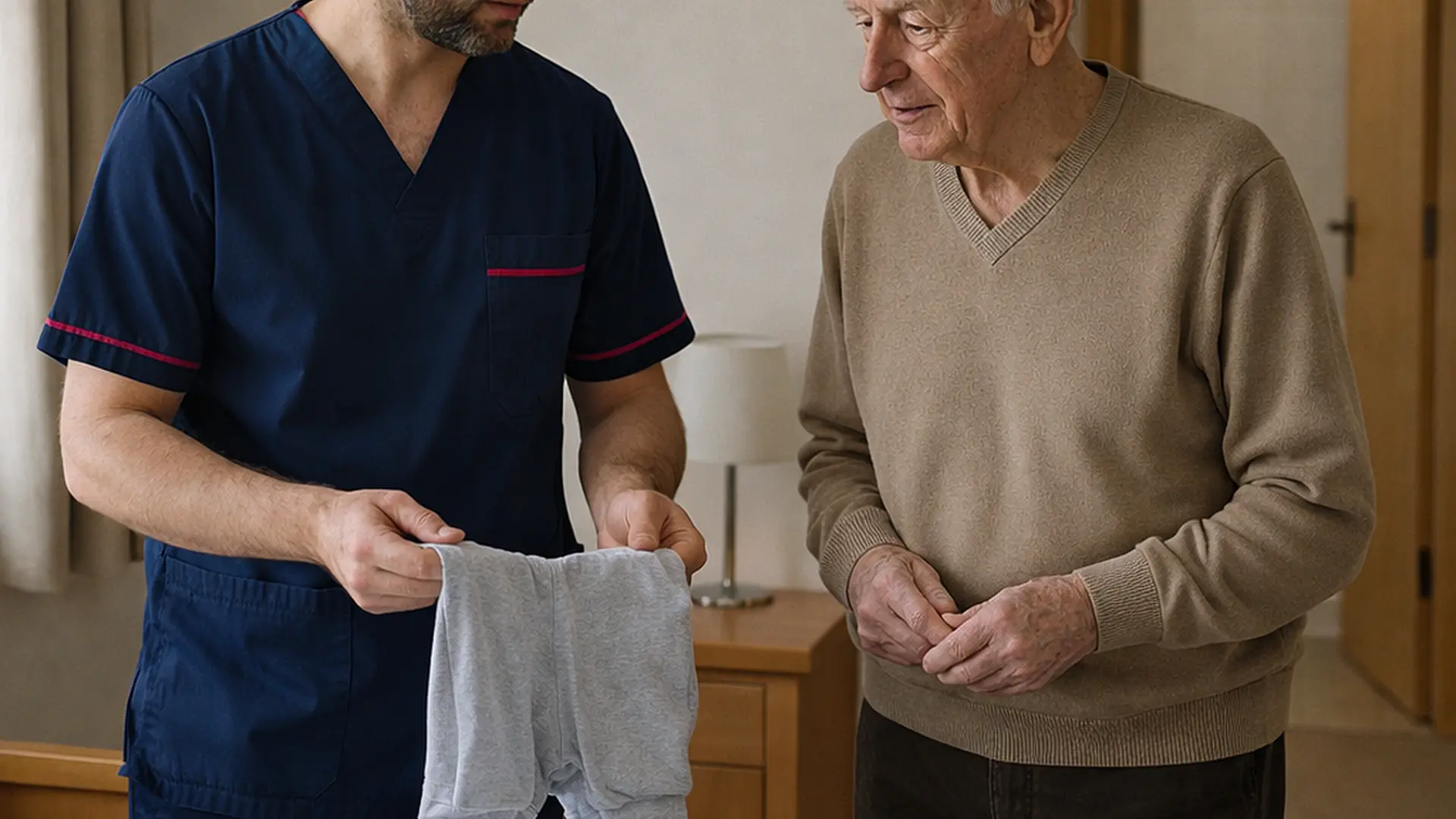
Walk-in / call-in nutrition navigator
A human-first entry point for older adults and caregivers who prefer in-person or phone support over self-serve digital tools.
AI-assisted eligibility matcher
A guided matching layer that helps navigators and users identify the right food programs, benefits, and next steps faster.
Culturally relevant recommendations
Meal and grocery suggestions that respect health needs, taste preferences, and community food norms.
Community hub coordination
A neighborhood operating model that connects senior centers, churches, clinics, and food partners into one trusted access point.
Healthcare referral support
A pathway for clinicians and discharge teams to refer seniors into food support without adding another handoff burden.
Product flow
A simple intake-to-outcome journey designed around trust.
Senior or caregiver reaches out
Navigator intake
AI-assisted matching
Food, benefits, or referral options
Pickup, delivery, or community hub support
Follow-up and outcome tracking
ITERATIONS
Seven iterations moved the concept from directory to service.
Each round of feedback pushed the product away from a broad information tool and toward a more trusted neighborhood operating model.
Broad food access directory
We started with a simple list of programs and services to test whether a single entry point was useful at all.
Added senior-specific personas
We narrowed the design to the realities of low-income older adults, caregivers, and neighborhood providers.
Shifted from app-first to human-first access
Feedback made it clear that the product had to work through people, not require them to become self-serve app users.
Added the community hub model
We moved the concept into trusted spaces where seniors already go and where support can feel familiar.
Added culturally relevant meal matching
We designed around food that fits cultural preference and medical need instead of generic nutrition guidance.
Added healthcare referral pathway
We connected the product to clinicians and discharge workflows so nutrition support can begin earlier.
Added metrics, rollout strategy, and sustainability model
The concept matured into a service with clear growth logic, operating metrics, and a path to long-term viability.
STRATEGY
The strategy is built around trust, density, and sustainable partnerships.
The strongest version of the product is not just a single interface. It is a repeatable service model that can scale through neighborhood anchors and measurable outcomes.
Business model
Blend public funding, nonprofit partnerships, healthcare referrals, and local vendor relationships to support a sustainable service layer.
Stakeholder ecosystem
Coordinate seniors, caregivers, senior centers, clinics, agencies, and food providers around a shared support network.
Go-to-market / rollout
Launch in a few high-need neighborhoods, prove repeat usage, then expand through trusted community anchors.
Pricing and sustainability
Keep access low or no-cost for seniors while recovering operating costs through partnerships and service contracts.
Success metrics
Track repeat usage, successful referrals, benefits completion, access reliability, cost-to-serve, and health outcomes.
METRICS
Success should be measured by use, reliability, and outcomes.
These KPIs make it possible to evaluate whether the service is actually helping seniors stay connected to food and support.
Repeat usage
How often seniors return after their first successful interaction.
Successful referrals
How many people are matched to a real next step, not just a resource list.
Benefits enrollment completion
How often assistance leads to completed food or support benefits.
Food access reliability
Whether people can get meals and support consistently over time.
Cost-to-serve
How efficiently the service can operate as demand grows.
Health outcome tracking
Whether nutrition support connects to better health and fewer crises.
FEEDBACK
The product changed when the research challenged the first instinct.
The table below shows how concrete feedback reshaped the service model, not just the wording.
| Feedback | Product Decision | Impact |
|---|---|---|
| Seniors may not trust app-only tools | Added walk-in/call-in navigator model | Reduced digital exclusion and made the service feel human and familiar. |
| Food options need to match culture and health needs | Added culturally relevant meal matching | Increased relevance, dignity, and likelihood of adoption. |
| Programs are too fragmented | Unified food, benefits, and referral navigation | Reduced search burden and clarified the path to help. |
| Community trust matters | Embedded hubs in senior centers, churches, and clinics | Increased adoption potential through familiar local institutions. |
PRODUCT DIRECTION
One trusted point of access for food, benefits, and community support.
NutriLink Hub combines human navigators, AI-assisted matching, local food partners, and healthcare and community referrals into a senior-friendly service that feels personal and coordinated.
Service statement
NutriLink Hub makes the existing nutrition ecosystem usable by combining human support, intelligent matching, and trusted neighborhood partners into one accessible experience.
REFLECTION
The biggest lesson was that accessibility is a service decision.
This project made the case that public-interest AI works best when the intelligence is supporting a trustworthy human system rather than replacing it.
Product discovery gets stronger when research shapes the delivery model, not just the interface.
The clearest feedback was about trust: the best product is the one people can actually use on a hard day.
The concept now feels like a service system, not a feature list.
This work made accessible AI feel less like automation and more like coordination with care.